




-
Spatial and Temporal Variation in Wave Overtopping Across a Coastal Structure Based on One Year of Field Observations -
Earthquake-Triggered Tsunami Hazard Assessment in the Santorini–Amorgos Tectonic Zone: Insights from Deterministic Scenario Modeling -
Preliminary Assessment of Long-Term Sea-Level Rise-Induced Inundation in the Deltaic System of the Northern Coast of the Amvrakikos Gulf (Western Greece)
Journal Description
Journal of Marine Science and Engineering
is an international, peer-reviewed, open access journal on marine science and engineering, published semimonthly online by MDPI. The Australia New Zealand Marine Biotechnology Society (ANZMBS) is affiliated with JMSE and its members receive discounts on the article processing charges.
- Open Access— free for readers, with article processing charges (APC) paid by authors or their institutions.
- High Visibility: indexed with Scopus, SCIE (Web of Science), Ei Compendex, GeoRef, Inspec, AGRIS, and other databases.
- Journal Rank: JCR - Q2 (Engineering, Marine) / CiteScore - Q2 (Ocean Engineering)
- Rapid Publication: manuscripts are peer-reviewed and a first decision is provided to authors approximately 16.5 days after submission; acceptance to publication is undertaken in 2.5 days (median values for papers published in this journal in the second half of 2025).
- Recognition of Reviewers: reviewers who provide timely, thorough peer-review reports receive vouchers entitling them to a discount on the APC of their next publication in any MDPI journal, in appreciation of the work done.
- Journal Clusters of Water Resources: Water, Journal of Marine Science and Engineering, Hydrology, Resources, Oceans, Limnological Review, Coasts.
Impact Factor:
2.8 (2024);
5-Year Impact Factor:
2.8 (2024)
Latest Articles
Machine Learning-Based Prediction of Maximum Stress in Observation Windows of HOV
J. Mar. Sci. Eng. 2026, 14(2), 151; https://doi.org/10.3390/jmse14020151 (registering DOI) - 10 Jan 2026
Abstract
With advances in deep-sea exploration technologies, utilizing human-occupied vehicles (HOV) in marine science has become widespread. The observation window is a critical component, as its structural strength affects submersible safety and performance. Under load, it experiences stress concentration, deformation, cracking, and catastrophic failure.
[...] Read more.
With advances in deep-sea exploration technologies, utilizing human-occupied vehicles (HOV) in marine science has become widespread. The observation window is a critical component, as its structural strength affects submersible safety and performance. Under load, it experiences stress concentration, deformation, cracking, and catastrophic failure. The observation window will experience different stress distributions in high-pressure environments. The maximum principal stress is the most significant phenomenon that determines the most likely failure of materials in windows of HOV. This study proposes an artificial intelligence-based method to predict the maximum principal stress of observation windows in HOV for rapid safety assessment. Samples were designed, while strain data with corresponding maximum principal stress values were collected under different loading conditions. Three machine learning algorithms—transformer–CNN-BiLSTM, CNN-LSTM, and Gaussian process regression (GP)—were employed for analysis. Results show that the transformer–CNN-BiLSTM model achieved the highest accuracy, particularly at the point exhibiting the maximum the principal stress value. Evaluation metrics, including mean squared error (MSE), mean absolute error (MAE), and root squared residual (RSR), confirmed its superior performance. The proposed hybrid model incorporates a positional encoding layer to enrich input data with locational information and combines the strengths of bidirectional long short-term memory (LSTM), one-dimensional CNN, and transformer–CNN-BiLSTM encoders. This approach effectively captures local and global stress features, offering a reliable predictive tool for health monitoring of submersible observation windows.
Full article
(This article belongs to the Section Ocean Engineering)
►
Show Figures
Open AccessArticle
Challenges and Opportunities in the Integrated Economic and Oceanographic Analysis of Deoxygenation Impacts on Marine Fisheries and Ecosystems
by
Hongsik Kim and U. Rashid Sumaila
J. Mar. Sci. Eng. 2026, 14(2), 150; https://doi.org/10.3390/jmse14020150 (registering DOI) - 10 Jan 2026
Abstract
We argue that a multidisciplinary approach is essential to identify deoxygenation impacts on marine ecosystems and fisheries, bridging across the traditionally separate fields of oceanography and economics. Oceanography reveals physical and chemical drivers of deoxygenation, and assesses potential biological impacts based on the
[...] Read more.
We argue that a multidisciplinary approach is essential to identify deoxygenation impacts on marine ecosystems and fisheries, bridging across the traditionally separate fields of oceanography and economics. Oceanography reveals physical and chemical drivers of deoxygenation, and assesses potential biological impacts based on the physiological and ecological characteristics of organisms and communities. Economics identifies the consequences of human activities associated with the utilization of the changing ocean, particularly in relation to deoxygenation. Economic data, models and analysis can contribute to determining the future directions toward achieving a healthy ocean in the context of deoxygenation. However, differing perspectives on the value of the ocean may lead to conflicts between short-term economic gains and long-term sustainability. Uncertainties in fish populations and deoxygenation modeling add complexity. Despite the difficulties involved, the interdisciplinary view of economics and oceanography offers a more comprehensive understanding of the complexities of ocean deoxygenation and its impacts on both the ocean and people. In order to address the challenges posed by deoxygenation and its impacts, and to develop mitigation and adaptation strategies, it is essential to establish a strong collaboration between experts of oceanography and fisheries economics.
Full article
(This article belongs to the Special Issue Adaptation to Global Change in Fisheries Resources and Associated Marine Ecosystems)
Open AccessArticle
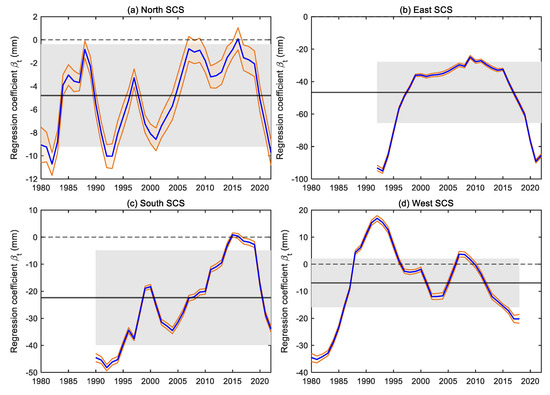
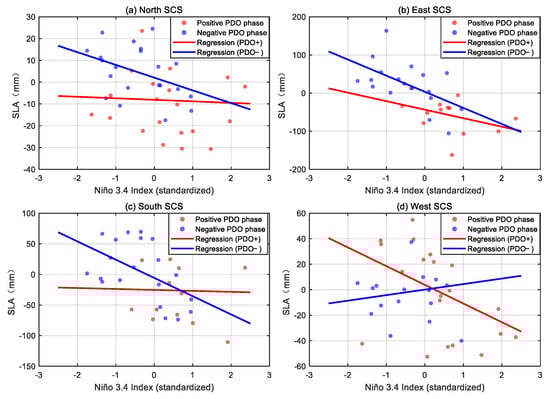
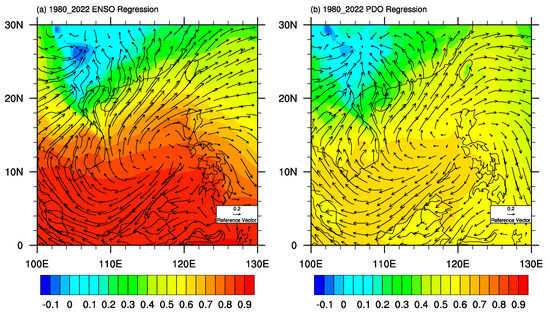
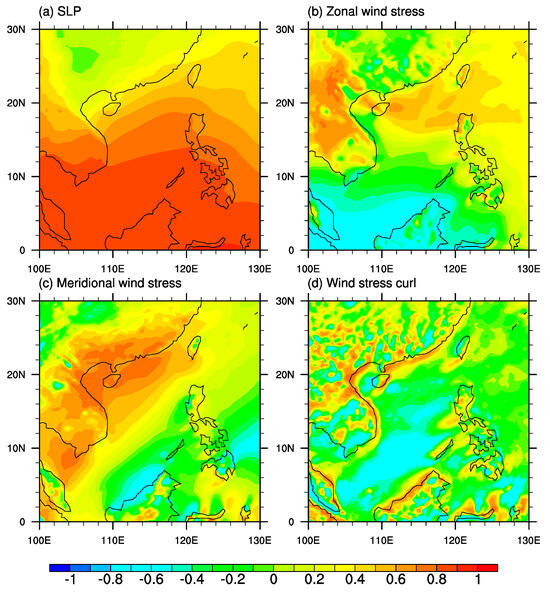
Statistical Analysis of Strong Breeze and Large Wave Events in the North Indian Ocean
by
Zhiwei You, Ning Wang, Yongchui Zhang, Yuli Liu, Chaochao He, Lei Han, Haoyue Jiang and Changming Dong
J. Mar. Sci. Eng. 2026, 14(2), 149; https://doi.org/10.3390/jmse14020149 (registering DOI) - 10 Jan 2026
Abstract
Ocean winds and waves play a vital role in maritime navigation safety, offshore operations, and coastal zone dynamics. Although both factors have been widely studied individually, the joint characterization of wind and wave events remains limited in the North Indian Ocean. This study,
[...] Read more.
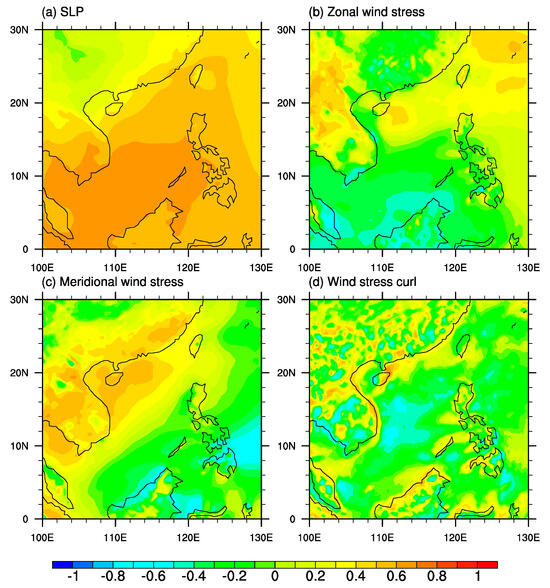
Ocean winds and waves play a vital role in maritime navigation safety, offshore operations, and coastal zone dynamics. Although both factors have been widely studied individually, the joint characterization of wind and wave events remains limited in the North Indian Ocean. This study, utilizing ERA5 reanalysis data from 1980 to 2022, statistically analyzed the distribution and variation patterns of both wind speed and significant wave height, investigating the occurrence, affected area proportion, frequency, and intensity of SBLWEs. To understand the cause of Strong Breeze and Large Wave Events (SBLWEs), their connections with other phenomena, such as tropical cyclones, were also explored. The results show that regions with strong breezes and large waves are mainly concentrated in the central and western Arabian Sea near Africa and the central and western Bay of Bengal. Monthly averages indicate that wind and wave intensity are much higher during the summer monsoon than in other seasons, with high intensity, probability, and extensive affected areas of SBLWEs. The occurrence probability of SBLWEs is highest in the central and western Arabian Sea (up to ~40%), and the highest probability in the Bay of Bengal is about 20% near the eastern coast of Sri Lanka. The peak period of SBLWEs occurs from June to August, with the largest affected area in July, reaching almost 25%. Over the past 40 years, the number of SBLWEs has shown an increasing trend, with an average of 0.7 events annually. The intensity distribution of SBLWEs resembles that of wind speed and wave height, with the highest intensity areas concentrated in the Bay of Bengal, affected by tropical cyclones. This study can serve as a scientific reference for maritime route planning and offshore operations, helping to reduce the negative impacts of large wind and wave events and enhance navigation safety.
Full article
(This article belongs to the Section Physical Oceanography)
►▼
Show Figures

Figure 1
Open AccessArticle
Weather Routing Optimisation for Ships with Wind-Assisted Propulsion
by
Ageliki Kytariolou and Nikos Themelis
J. Mar. Sci. Eng. 2026, 14(2), 148; https://doi.org/10.3390/jmse14020148 - 9 Jan 2026
Abstract
Wind-assisted ship propulsion (WASP) has gained considerable interest as a means of reducing fuel consumption and Greenhouse Gas (GHG) emissions, with further benefits when combined with weather-optimized routing. This study employs and extends a National Technical University of Athens (NTUA) weather-routing optimization tool
[...] Read more.
Wind-assisted ship propulsion (WASP) has gained considerable interest as a means of reducing fuel consumption and Greenhouse Gas (GHG) emissions, with further benefits when combined with weather-optimized routing. This study employs and extends a National Technical University of Athens (NTUA) weather-routing optimization tool to more realistically assess WASP performance through integrated modeling. The original tool minimized fuel consumption using forecasted weather data and a physics-based performance model. A previous extension to account for the WASP effect introduced a 1-Degree Of Freedom (DOF) model that accounted only for longitudinal hydrodynamic and aerodynamic forces, estimating the reduced main-engine power required to maintain speed in given conditions. The current study incorporates a 3-DOF model that includes side forces and yaw moments, capturing resulting drift and rudder deflection effects. A Kamsarmax bulk carrier equipped with suction sails served as the case study. Initial simulations across various operating and weather conditions compared the two models. The 1-DOF model predicted fuel-saving potential up to 26% for the tested apparent wind speed and the range of possible headings, whereas the 3-DOF model indicated that transverse effects reduce WASP benefits by 2–7%. Differences in Main Engine (ME) power estimates between the two models reached up to 7% Maximum Continuous Rating (MCR) depending on the speed of wind. The study then applied both models within a weather-routing optimization framework to assess whether the optimal routes produced by each model differ and to quantify performance losses. It was found that the revised optimal route derived from the 3-DOF model improved total Fuel Oil Consumption (FOC) savings by 1.25% compared with the route optimized using the 1-DOF model when both were evaluated with the 3-DOF model.
Full article
(This article belongs to the Special Issue Energy Efficiency Optimization Technologies for Shipping Decarbonization)
Open AccessArticle
LLM-Driven Predictive–Adaptive Guidance for Autonomous Surface Vessels Under Environmental Disturbances
by
Seunghun Lee, Yoonmo Jeon and Woongsup Kim
J. Mar. Sci. Eng. 2026, 14(2), 147; https://doi.org/10.3390/jmse14020147 - 9 Jan 2026
Abstract
Advances in AI are accelerating intelligent ship autonomy, yet robust trajectory tracking remains challenging under nonlinear dynamics and persistent environmental disturbances. Traditional model-based guidance becomes tuning-sensitive and loses robustness under strong disturbances, while data-driven approaches like reinforcement learning often suffer from poor generalization
[...] Read more.
Advances in AI are accelerating intelligent ship autonomy, yet robust trajectory tracking remains challenging under nonlinear dynamics and persistent environmental disturbances. Traditional model-based guidance becomes tuning-sensitive and loses robustness under strong disturbances, while data-driven approaches like reinforcement learning often suffer from poor generalization to unseen dynamics and brittleness in out-of-distribution conditions. To address these limitations, we propose a guidance architecture embedding a Large Language Model (LLM) directly within the closed-loop control system. Using in-context prompting with a structured Chain-of-Thought (CoT) template, the LLM generates adaptive k-step heading reference sequences conditioned on recent navigation history, without model parameter updates. A latency-aware temporal inference mechanism synchronizes the asynchronous LLM predictions with a downstream Model Predictive Control (MPC) module, ensuring dynamic feasibility and strict actuation constraints. In MMG-based simulations of the KVLCC2, our framework consistently outperforms conventional model-based baselines. Specifically, it demonstrates superior path-keeping accuracy, higher corridor compliance, and faster disturbance recovery, achieving these performance gains while maintaining comparable or reduced rudder usage. These results validate the feasibility of integrating LLMs as predictive components within physical control loops, establishing a foundation for knowledge-driven, context-aware maritime autonomy.
Full article
(This article belongs to the Section Ocean Engineering)
Open AccessArticle
A Transfer-Learning-Based STL–LSTM Framework for Significant Wave Height Forecasting
by
Guanhui Zhao, Yuyan Cheng, Yuanhao Jia, Shuang Li and Jicang Si
J. Mar. Sci. Eng. 2026, 14(2), 146; https://doi.org/10.3390/jmse14020146 - 9 Jan 2026
Abstract
Significant wave height (SWH) is a key descriptor of sea state, yet providing accurate, site-specific forecasts at low computational cost remains challenging. This study proposes a transfer-learning-based framework for SWH forecasting that combines Seasonal and Trend decomposition using Loess (STL), a stacked long
[...] Read more.
Significant wave height (SWH) is a key descriptor of sea state, yet providing accurate, site-specific forecasts at low computational cost remains challenging. This study proposes a transfer-learning-based framework for SWH forecasting that combines Seasonal and Trend decomposition using Loess (STL), a stacked long short-term memory (LSTM) network, and an efficient sliding-window updating scheme. First, STL is applied to decompose the SWH time series into trend, seasonal, and remainder components; the resulting sub-series are then fed into a transfer-learning architecture in which the parameters of the stacked LSTM backbone are kept fixed, and only a fully connected output layer is updated in each window. Using multi-year observations from five National Data Buoy Center (NDBC) buoys, the proposed STL-LSTM-T model is compared with a STL-LSTM configuration that is fully retrained after each STL decomposition. For example, the transfer-learning setup reduces MAE, MSE, and RMSE by up to 11.2%, 19.2%, and 14.5% at buoy 46244, respectively, while reducing the average training time per update to about one-fifth of the baseline. Parameter analyses indicate that a two-layer LSTM backbone and moderate continuous forecast step (6–12 steps) provide a good balance between predictive accuracy, error accumulation, and computational cost, making STL-LSTM-T suitable for SWH forecasting on resource-constrained platforms.
Full article
(This article belongs to the Section Ocean Engineering)
►▼
Show Figures

Figure 1

Open AccessReview
AUVs for Seabed Surveying: A Comprehensive Review of Side-Scan Sonar-Based Target Detection
by
Jianan Qiao, Jiancheng Yu, Yan Huang, Hao Feng, Dayu Jia, Zhenyu Wang and Bing Wang
J. Mar. Sci. Eng. 2026, 14(2), 145; https://doi.org/10.3390/jmse14020145 - 9 Jan 2026
Abstract
With advancements in Autonomous Underwater Vehicle (AUV) and sensor technologies, the operational paradigms for seabed survey are undergoing significant transformation. Compared to traditional towed or remotely operated platforms, AUV-based seabed survey systems demonstrate superior capabilities in data resolution, operational efficiency and stealth. Furthermore,
[...] Read more.
With advancements in Autonomous Underwater Vehicle (AUV) and sensor technologies, the operational paradigms for seabed survey are undergoing significant transformation. Compared to traditional towed or remotely operated platforms, AUV-based seabed survey systems demonstrate superior capabilities in data resolution, operational efficiency and stealth. Furthermore, propelled by progress in artificial intelligence, the technical approaches of AUV-based seabed exploration systems are also experiencing disruptive changes. Based on our observations, existing review articles predominantly focus on individual technologies within seabed survey operations, failing to reflect the systemic constraints and interdependencies among these discrete technological components. This review focuses on the scenario of seabed target detection within seabed survey operations, summarizing research progress aimed at enhancing the effectiveness of such systems across three key technical areas: image processing of side-scan sonar (SSS) systems, intelligent detection of seabed targets and autonomous path planning for survey missions, which is based on a representative system—AUV-mounted SSS system. Given the multi-faceted challenges still present in seabed exploration technology, this paper aims to provide directional guidance for new researchers entering this field.
Full article
(This article belongs to the Section Ocean Engineering)
Open AccessArticle
Drift Trajectory Prediction for Multiple-Persons-in-Water in Offshore Waters: Case Study of Field Experiments in the Xisha Sea of China
by
Jie Wu, Zhiyong Wang, Liang Cheng and Chunyang Niu
J. Mar. Sci. Eng. 2026, 14(2), 144; https://doi.org/10.3390/jmse14020144 - 9 Jan 2026
Abstract
With the increasing frequency of maritime activities, large-scale man overboard incidents raise higher demands on maritime search and rescue (SAR) decision-making. Most existing drift models are designed for single-person-overboard situations and have limited ability to model multiple-persons-in-water (MPIW) scenarios. To address this gap,
[...] Read more.
With the increasing frequency of maritime activities, large-scale man overboard incidents raise higher demands on maritime search and rescue (SAR) decision-making. Most existing drift models are designed for single-person-overboard situations and have limited ability to model multiple-persons-in-water (MPIW) scenarios. To address this gap, this study proposes a drift trajectory prediction method for MPIW based on full-scale field experiments in the Xisha Sea, South China Sea. In December 2023, six drift experiments were carried out, providing 57 h of tracking data under typical conditions with wind speeds from 0.17 to 7.77 m/s and surface current speeds from 0.06 to 0.96 m/s. Two basic MPIW scenarios were considered, side-by-side connection and random connection, and four MPIW drift models were built for upright 3-person (UP_3), upright 5-person (UP_5), upright–facedown–upright (U-F-U) and facedown 2-person (FD_2). The corresponding wind-induced drift coefficients were estimated. The stochastic variability of the crosswind leeway (CWL), including sign-change frequency and the probability of positive CWL, was systematically analyzed. For unconstrained regressions, the downwind leeway slope coefficients range from −2.96% to −12.61%, while CWL slope coefficients range from 1.01% to 2.78%, depending on group configuration. Monte Carlo simulations were then used to compare different model groups. In typical test cases, the proposed MPIW models reduce the normalized cumulative error for 11 h trajectory prediction from 0.18–0.23 to 0.08–0.17, indicating a clear improvement in the accuracy of search area delineation for group drowning scenarios. The results provide a useful reference for MPIW drift prediction and SAR decision-making in similar offshore and deep-water environments.
Full article
(This article belongs to the Special Issue Drift Modeling at Sea: Applications to Marine Pollution, Harmful Algal Blooms, Sargassum, and Search and Rescue Operations)
Open AccessArticle
Establishment and Application of Surface Water Quality Model Based on PhreeqcRM
by
Shuna Hong, Kexin Wang, Qi Tang and Jun Kong
J. Mar. Sci. Eng. 2026, 14(2), 143; https://doi.org/10.3390/jmse14020143 - 9 Jan 2026
Abstract
In this study, we developed a novel water quality model that integrated hydrodynamic, solute transport, and geochemical reactions processes. This model was built upon the open-source ELCIRC hydrodynamic model, the TVD-format solute transport model, and the PhreeqcRM geochemical reaction engine. The accuracy of
[...] Read more.
In this study, we developed a novel water quality model that integrated hydrodynamic, solute transport, and geochemical reactions processes. This model was built upon the open-source ELCIRC hydrodynamic model, the TVD-format solute transport model, and the PhreeqcRM geochemical reaction engine. The accuracy of the model was rigorously validated using a 2D chain decay analytical solution, demonstrating its capability to accurately simulate water flow, solute transport, and chemical reactions. To evaluate the practical applicability of the model, case studies involving the 2012 Huaihe River benzene leakage accident and the acetic acid leakage accident in the Gulei sea area were simulated. Findings indicate that the model effectively captures the diffusion and attenuation dynamics of the benzene contamination plume. Furthermore, it accurately depicts the reaction–diffusion interaction with seawater following acetic acid release. Notably, the versatility and flexibility of the model were further demonstrated by its ability to simulate a wide range of pollutants and their associated biochemical processes. This addresses the limitations of existing water quality models and provides a powerful tool for environmental monitoring and assessment. The results of this study offer valuable insights for improving water quality management and emergency response strategies in the face of environmental pollution incidents.
Full article
(This article belongs to the Section Marine Environmental Science)
►▼
Show Figures

Figure 1
Open AccessArticle
Fitness-Driven Assessment of Mooring-System Designs for 15-MW FOWT in Shallow Waters
by
Shun-Wen Cheng, Nai-Chi Chen, Cheng-Hsien Chung and Ray-Yeng Yang
J. Mar. Sci. Eng. 2026, 14(2), 142; https://doi.org/10.3390/jmse14020142 - 9 Jan 2026
Abstract
Offshore wind energy is a key enabler of the global net-zero transition. As nearshore fixed-bottom projects reach maturity, floating offshore wind turbines (FOWTs) are becoming the next major focus for large scale deployment. To accelerate this development and reduce construction costs, it is
[...] Read more.
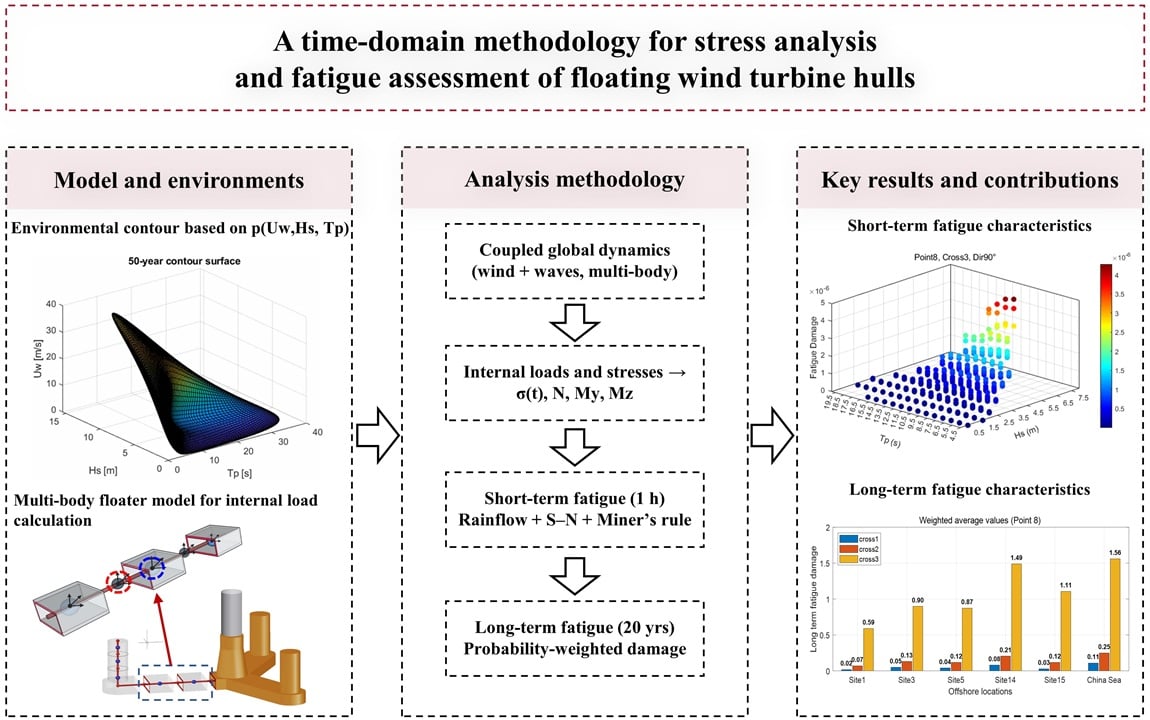
Offshore wind energy is a key enabler of the global net-zero transition. As nearshore fixed-bottom projects reach maturity, floating offshore wind turbines (FOWTs) are becoming the next major focus for large scale deployment. To accelerate this development and reduce construction costs, it is essential to optimize mooring systems through a systematic and performance driven framework. This study focuses on the mooring assessment of the Taiwan-developed DeltaFloat semi-submersible platform supporting a 15 MW turbine at a 70 m water depth offshore Hsinchu, Taiwan. A full-chain catenary mooring system was designed based on site specific metocean conditions. The proposed framework integrates ANSYS AQWA (version 2024 R1) and Orcina OrcaFlex (version 11.5) simulations with sensitivity analyses and performance-based fitness metrics including offset, inclination, and line tension to identify key parameters governing mooring behavior. Additionally, an analysis of variance (ANOVA) was conducted to quantitatively evaluate the statistical significance of each design parameter. Results indicate that mooring line length is the most influential factor affecting system performance, followed by line angle and diameter. Optimizing these parameters significantly improves platform stability and reduces tension loads without excessive material use. Building on the optimized symmetric configuration, an asymmetric mooring concept with unequal line lengths is proposed. The asymmetric layout achieves performance comparable to traditional 3 × 1 and 3 × 2 systems under extreme environmental conditions while demonstrating potential reductions in material use and overall cost. Nevertheless, the unbalanced load distribution highlights the need for multi-scenario validation and fatigue assessment to ensure long-term reliability. Overall, the study establishes a comprehensive and sensitivity-based evaluation framework for floating wind mooring systems. The findings provide a balanced and practical reference for the cost-efficient design of floating offshore wind farms in the Taiwan Strait and other shallow-water regions.
Full article
(This article belongs to the Section Ocean Engineering)
►▼
Show Figures

Figure 1

Open AccessArticle
A Study on an Extrapolation Method for the Propulsive Performance of the Pumpjet Propulsor of a Submarine
by
Woo-Seok Jin, Moon-Chan Kim, Jin-Wook Kim, Il-Ryong Park and Han-Shin Seol
J. Mar. Sci. Eng. 2026, 14(2), 141; https://doi.org/10.3390/jmse14020141 - 9 Jan 2026
Abstract
Accurately predicting the full-scale performance of submarines is challenging due to their complex propulsor systems and limited sea-trial information. This study investigated a full-scale extrapolation method from model tests for a submarine pumpjet propulsor, as a reliable method has not been established. Three
[...] Read more.
Accurately predicting the full-scale performance of submarines is challenging due to their complex propulsor systems and limited sea-trial information. This study investigated a full-scale extrapolation method from model tests for a submarine pumpjet propulsor, as a reliable method has not been established. Three extrapolation methods from ITTC reports were reviewed and applied to the pumpjet propulsor of the SUBOFF submarine, then compared with full-scale CFD results. Among the reviewed methods (Methods 1 to 3), Method 3, which separates the duct and stator as appendages of the hull and includes the entire pumpjet in the POW test but uses only the rotor’s force, was the most reasonable, but showed significant differences from the calculated results, especially in the . This study proposed a modified Method 3, improving it by adopting the continuity theory to predict the oncoming velocity of a rotor and by applying a correction factor for the drag of the duct and stator. The modified PJP extrapolation method 3 showed excellent agreement with the full-scale CFD analysis results across all propulsion coefficients, with a minimal error of 0.45% for . Despite the structural differences in PJPs, such as stators and longer ducts, velocity changes are dominated by the duct’s internal area. Therefore, the proposed extrapolation method is equally applicable to general ducted propellers.
Full article
(This article belongs to the Section Ocean Engineering)
►▼
Show Figures

Figure 1

Open AccessArticle
A Coastal Zone Imager-Based Model for Assessing the Distribution of Large Green Algae in the Northern Coastal Waters of China
by
Tianle Mao, Lina Cai, Yuzhu Xu, Beibei Zhang and Xuan Liu
J. Mar. Sci. Eng. 2026, 14(2), 140; https://doi.org/10.3390/jmse14020140 - 9 Jan 2026
Abstract
This study analyzed the spatial distribution of large green algae (LGA) in the northern coastal waters of China, including the Yellow Sea and Bohai Sea, using Coastal Zone Imager (CZI) data from the HY-1C/D satellites. An inversion model (coastal zone imager model) of
[...] Read more.
This study analyzed the spatial distribution of large green algae (LGA) in the northern coastal waters of China, including the Yellow Sea and Bohai Sea, using Coastal Zone Imager (CZI) data from the HY-1C/D satellites. An inversion model (coastal zone imager model) of LGA was established, based on which the distribution details of large green algae in the Yellow Sea and Bohai Sea were investigated. The results indicated the following: (1) LGA exhibits a clearly seasonal pattern from May to August. Initially occurrences are detected in May in the southern Yellow Sea (32–34° N), followed by a rapid expansion and intensification from June to mid-July, with peak distribution around 35° N near the Shandong Peninsula. The affected area subsequently decreases in late August. (2) High LGA coverage is mainly concentrated along the Subei Shoal and the Shandong Peninsula in the Yellow Sea, as well as the coastal regions of Yantai, Qinhuangdao, and Yingkou in the Bohai Sea. (3) The LGA-M inversion model demonstrates stable performance in nearshore waters with similar optical characteristics and is applicable to LGA extraction in adjacent coastal seas, highlighting the potential of HY-1C/D satellite data in marine environmental monitoring and protection.
Full article
(This article belongs to the Section Marine Ecology)
►▼
Show Figures

Figure 1
Open AccessArticle
Experimental Study on Optimization of Gravel Packing Parameters for Sand Control in Unconsolidated Sandstone Reservoirs
by
Peng Du, Hairui Guo, Youkeren An and Yiqun Zhang
J. Mar. Sci. Eng. 2026, 14(2), 139; https://doi.org/10.3390/jmse14020139 - 9 Jan 2026
Abstract
Offshore unconsolidated sandstone reservoirs suffer from severe sand production, which impairs wellbore stability and productivity. This study evaluates gravel packing in light-oil unconsolidated sandstone reservoirs in the Weizhou field. This paper conducts visual sand-control experiments to compare screens and gravel packs, and to
[...] Read more.
Offshore unconsolidated sandstone reservoirs suffer from severe sand production, which impairs wellbore stability and productivity. This study evaluates gravel packing in light-oil unconsolidated sandstone reservoirs in the Weizhou field. This paper conducts visual sand-control experiments to compare screens and gravel packs, and to quantify the effects of gravel size, packing thickness, packing density, and clay content on sand-retention behavior. On this basis, a coupled CFD–DEM model was developed to simulate sand transport and plugging within the gravel pack. Results show that gravel packing rapidly forms a stable bridging structure, reaching stabilized production 38.1% earlier than the screen and reducing sand production by 74.4%, while maintaining a stable pressure difference and limiting fine-sand breakthrough. Low-viscosity oil enhances sand carrying, increasing the stabilized pressure difference by 12% relative to water. For the low-clay fine reservoir, gravel sizes of 3–6 times the median sand size, packing thickness ≥ 25 mm, and packing density of 90–95% provide a balance between permeability and sand control. Numerical simulations identify a four-stage plugging process—initiation, surface accumulation, deep filling, and equilibrium—offering pore-scale support for the experimental observations. This study offers technical and theoretical guidance for the optimization of gravel-pack sand control in offshore light-oil unconsolidated sandstone reservoirs.
Full article
(This article belongs to the Section Ocean Engineering)
►▼
Show Figures

Figure 1

Open AccessArticle
Research on Formation Path Planning Method and Obstacle Avoidance Strategy for Deep-Sea Mining Vehicles Based on Improved RRT*
by
Jiancheng Liu, Yujia Wang, Hao Li, Pengjie Huang, Bingchen Liang, Haotian Wu and Shimin Yu
J. Mar. Sci. Eng. 2026, 14(2), 138; https://doi.org/10.3390/jmse14020138 - 9 Jan 2026
Abstract
To enhance the autonomous operation capability of deep-sea mining vehicle formations, this study addresses the issues of slow convergence in formation path planning and insufficient obstacle avoidance flexibility under complex environments by investigating a global path planning and local obstacle avoidance strategy based
[...] Read more.
To enhance the autonomous operation capability of deep-sea mining vehicle formations, this study addresses the issues of slow convergence in formation path planning and insufficient obstacle avoidance flexibility under complex environments by investigating a global path planning and local obstacle avoidance strategy based on an improved RRT algorithm*. Through dynamic elliptical sampling, adaptive goal-biased sampling, safe distance detection, and path smoothing optimization, the efficiency and passability of path planning are improved. For the obstacle avoidance of formation members, a priority determination model incorporating local obstacle avoidance, formation contraction, and transformation is designed, and methods such as Gaussian distribution fan-shaped sampling and trajectory backtracking are proposed to optimize the local planning effect. Simulation results show that this method can effectively improve the path planning quality and obstacle avoidance performance of mining vehicle formations in complex environments. Specifically, when in a longitudinal formation, the maximum inter-vehicle error is approximately 15.1%, and the average error is controlled within 3.5%; when in a triangular formation, the maximum inter-vehicle error is approximately 20%, and the average error is controlled within 4.2%, indicating promising application prospects.
Full article
(This article belongs to the Section Ocean Engineering)
►▼
Show Figures

Figure 1
Open AccessArticle
Effects of Aperture Ratio and Aspect Ratio on High-Speed Water-Entry Stability of Hollow Projectiles
by
Jianqiu Tu, Yu Hou, Haixin Chen, Changjian Zhao, Hairui Zhang and Xiaodong Na
J. Mar. Sci. Eng. 2026, 14(2), 137; https://doi.org/10.3390/jmse14020137 - 8 Jan 2026
Abstract
The oblique water-entry stability of hollow projectiles with different aperture ratios (d/D) and aspect ratios (L/D) is investigated numerically in this study. The effects of aperture and aspect ratios on cavity evolution, hydrodynamic forces, and
[...] Read more.
The oblique water-entry stability of hollow projectiles with different aperture ratios (d/D) and aspect ratios (L/D) is investigated numerically in this study. The effects of aperture and aspect ratios on cavity evolution, hydrodynamic forces, and projectile motion are disclosed and discussed. When aperture ratios vary from 0.2 to 0.7, a larger aperture ratio results in a longer through-hole jet, earlier cavity closure, and a smaller cavity with less vapor. The best water-entry stability with minimal projectile deflection occurs at d/D = 0.3. For d/D > 0.4, the projectile tends to rotate clockwise and touch the surrounding cavity with a rapid increase in the lift, drag, and moment coefficients, accelerating the velocity decay. When aspect ratios vary from 2 to 7, the transition from stability to instability in the projectile motion is predicted at L/D = 2.75~3. A lower aspect ratio (L/D = 2) promotes stable motion with a steady drag coefficient (Cd ≈ 0.9) and negligible lift and moment. In contrast, the instability occurs at L/D = 3. However, when L/D > 3, the water-entry stability is enhanced with the increasing aspect ratio due to greater projectile mass. The inflection points in the hydrodynamic forces are also delayed and the hollow projectiles penetrate further.
Full article
(This article belongs to the Section Ocean Engineering)
Open AccessArticle
Ultrasonic Treatment Suppresses Biofilm-Mediated Larval Settlement of Mussels: A Pilot Study
by
Jacob J. Capelle, Sean Teng and Marco Dubbeldam
J. Mar. Sci. Eng. 2026, 14(2), 136; https://doi.org/10.3390/jmse14020136 - 8 Jan 2026
Abstract
Marine biofouling significantly impacts vessel operational efficiency, with mussel species being particularly problematic due to their rapid settlement on biofilm-covered surfaces. This pilot study presents the first explicit test of whether ultrasonic treatment can disrupt the biofilm–larva interaction pathway that facilitates mussel settlement.
[...] Read more.
Marine biofouling significantly impacts vessel operational efficiency, with mussel species being particularly problematic due to their rapid settlement on biofilm-covered surfaces. This pilot study presents the first explicit test of whether ultrasonic treatment can disrupt the biofilm–larva interaction pathway that facilitates mussel settlement. The study evaluated ultrasonic treatment (28 kHz) as a preventive antifouling strategy targeting the mixed microbial biofilm-mediated settlement pathway of Mytilus edulis. A controlled laboratory experiment compared settlement rates on biofilm-conditioned (2.5-week mixed microbial biofilm development) and unconditioned steel plates with and without ultrasonic treatment. Under control conditions, biofilm presence increased mussel settlement odds by 49-fold (p < 0.001). Ultrasonic treatment eliminated this biofilm enhancement, maintaining settlement at baseline levels (odds ratio: 1.3, p = 0.84). The mechanism remains unclear but may involve biofilm disruption, larval behavioral avoidance, or interference with chemical cues. While limited replication (n = 2, temporal replicates, one tank per treatment per replicate) constrains statistical power and inference, the large effect size and consistency across replicates warrant additional investigation. If confirmed by increased replication and mechanistic studies, ultrasonic treatment could provide sustainable antifouling protection without chemical discharge.
Full article
(This article belongs to the Section Marine Pollution)
Open AccessArticle
Investigation on Wake Characteristics of Two Tidal Stream Turbines in Tandem Using a Mobile Submerged PIV System
by
Sejin Jung, Heebum Lee, In Sung Jang, Seong Min Moon, Heungchan Kim, Chang Hyeon Seo, Jihoon Kim and Jin Hwan Ko
J. Mar. Sci. Eng. 2026, 14(2), 135; https://doi.org/10.3390/jmse14020135 - 8 Jan 2026
Abstract
Understanding wake interactions between multiple tidal stream turbines is essential for optimizing the performance and layout of tidal energy farms. This study investigates the hydrodynamic behavior of two horizontal-axis tidal turbines arranged in tandem under simplified inflow conditions, where the incoming flow was
[...] Read more.
Understanding wake interactions between multiple tidal stream turbines is essential for optimizing the performance and layout of tidal energy farms. This study investigates the hydrodynamic behavior of two horizontal-axis tidal turbines arranged in tandem under simplified inflow conditions, where the incoming flow was dominated by the streamwise velocity component without imposed external disturbances. Wake measurements were conducted in a large circulating water tunnel using a mobile, submerged particle image velocimetry (PIV) system capable of long-range, high-resolution measurements. Performance tests showed that the downstream turbine experienced a decrease of approximately 9% in maximum power coefficient compared to the upstream turbine due to reduced inflow velocity and increased turbulence generated by the upstream wake. Phase-averaged PIV results revealed the detailed evolution of velocity deficit, turbulence intensity, turbulent kinetic energy, and tip vortex structures. The tip vortices shed from the upstream turbine persisted over a long downstream distance, remaining coherent up to 10D and merging with those generated by the downstream turbine. These merged vortex structures produced elevated turbulence and complex flow patterns that significantly influenced the downstream turbine’s operating conditions. The results provide experimentally validated insight into turbine-to-turbine wake interactions and highlight the need for high-fidelity wake data to support array optimization and numerical model development for tidal stream turbine array.
Full article
(This article belongs to the Special Issue Hydrodynamic Performance, Optimization, and Design of Marine Turbines)
Open AccessArticle
Numerical Study of the Gas Production Enhancement Effect of Boundary Sealing and Wellbore Heating for Class 1 Hydrate Reservoir Depressurization with Five-Spot Wells
by
Jingli Wang, Zhibin Sha, Zhanzhao Li, Jianwen Wu and Tinghui Wan
J. Mar. Sci. Eng. 2026, 14(2), 134; https://doi.org/10.3390/jmse14020134 - 8 Jan 2026
Abstract
Natural gas hydrates (NGHs) are a promising alternative energy source with huge global reserves, but they face significant challenges in commercial production and require more efficient exploitation methods. Based on field data from China’s first offshore NGH pilot production, this study systematically investigates
[...] Read more.
Natural gas hydrates (NGHs) are a promising alternative energy source with huge global reserves, but they face significant challenges in commercial production and require more efficient exploitation methods. Based on field data from China’s first offshore NGH pilot production, this study systematically investigates the enhancement effect of boundary sealing and wellbore heating on the development of Class 1 hydrate reservoirs with five-spot wells. Numerical simulation findings illustrate that when the sealing layer thickness is 1 m and the permeability is 0.001 mD, it can effectively expand the radial propagation of pressure, promote the gas output, and significantly reduce water production. When the heating power is 100 W/m, the highest energy efficiency ratio can be achieved, which can promote dissociation and inhibit the secondary hydrate generation. The combination of two technologies shows a synergistic effect, which increases the cumulative gas production and gas-to-water ratio to 197.4% and 224.3% of the base case, respectively, achieving the optimal balance between high recovery rate and economic efficiency, which provides key insights for the effective development of Class 1 hydrate reservoirs.
Full article
(This article belongs to the Special Issue Advances in Marine Gas Hydrate Exploration and Discovery—2nd Edition)
►▼
Show Figures

Graphical abstract
Open AccessArticle
Deep-Sea Sediment Creep Mechanism and Prediction: Modified Singh–Mitchell Model Under Temperature–Stress–Time Coupling
by
Yan Feng, Qiunan Chen, Lihai Wu, Guangping Liu, Jinhu Tang, Zengliang Wang, Xiaodi Xu, Bingchu Chen and Shunkai Liu
J. Mar. Sci. Eng. 2026, 14(2), 133; https://doi.org/10.3390/jmse14020133 - 8 Jan 2026
Abstract
With the advancement in deep-sea resource development, the creep behavior of deep-sea remolded sediments under coupled temperature, confining pressure (σ3), and stress effects has become a critical issue threatening engineering stability. The traditional Singh–Mitchell model, limited by its neglect of
[...] Read more.
With the advancement in deep-sea resource development, the creep behavior of deep-sea remolded sediments under coupled temperature, confining pressure (σ3), and stress effects has become a critical issue threatening engineering stability. The traditional Singh–Mitchell model, limited by its neglect of temperature effects and prediction of infinite strain, struggles to meet deep-sea environmental requirements. Based on low-temperature, high-pressure triaxial tests (with temperatures ranging from 4 to 40 °C and confining pressures ranging from 100 to 300 kPa), this study proposes a modified model incorporating temperature–stress–time coupling. The model introduces a hyperbolic creep strain rate decay function to achieve strain convergence, establishes a saturated strain–stress exponential relationship, and quantifies the effect of temperature on characteristic time via coupling through the Arrhenius equation. The modified model demonstrates R2 values > 0.96 for full-condition creep curves. The results show several key findings: a 10 °C increase in temperature leads to a 30–50% growth in the steady-state creep rate; a 100 kPa increase in confining pressure enhances long-term strength by 20–30%. 20 °C serves as a critical temperature point. At this point, strain amplification reaches 2.1 times that of low-temperature ranges. These experimental findings provide crucial theoretical foundations and technical support for incorporating soil creep effects in deep-sea engineering design.
Full article
(This article belongs to the Section Ocean Engineering)
Open AccessArticle
Study on Electromagnetic–Thermal Coupling Characteristics of Submarine Cable Using Finite Element Method
by
Kui Zhu, Yicheng Zhang, Qingyang Duan, Peng Liang, Zhihong Wang, Zeqi Cheng and Enjin Zhao
J. Mar. Sci. Eng. 2026, 14(2), 132; https://doi.org/10.3390/jmse14020132 - 8 Jan 2026
Abstract
Low-frequency alternating-current (LFAC) transmission has attracted significant attention for medium- and long-distance offshore wind integration due to its ability to mitigate the substantial charging currents and reactive power burdens associated with long submarine cables. This paper investigates the frequency-dependent electrothermal behaviors of a
[...] Read more.
Low-frequency alternating-current (LFAC) transmission has attracted significant attention for medium- and long-distance offshore wind integration due to its ability to mitigate the substantial charging currents and reactive power burdens associated with long submarine cables. This paper investigates the frequency-dependent electrothermal behaviors of a 500 kV three-core XLPE submarine cable using a coupled electromagnetic–thermal finite-element model. The simulation framework evaluates the current distribution, power losses in metallic components, temperature rise, and ampacity across various frequency regimes. To validate the numerical model, a thermal-circuit approach based on the IEC 60287 standard is developed, with comparisons confirming that deviations remain within acceptable engineering margins. The study reveals that operating at lower frequencies effectively mitigates skin and proximity effects, leading to reduced conductor and sheath losses. Quantitative results demonstrate that reducing the operating frequency from 50 Hz to 5 Hz results in a 30.6% reduction in total power losses and a 14.2% increase in current-carrying capability. These findings confirm that LFAC transmission offers a viable pathway to enhance the efficiency and capacity of submarine power transmission systems.
Full article
(This article belongs to the Section Ocean Engineering)
Journal Menu
► ▼ Journal Menu-
- JMSE Home
- Aims & Scope
- Editorial Board
- Reviewer Board
- Topical Advisory Panel
- Instructions for Authors
- Special Issues
- Topics
- Sections
- Article Processing Charge
- Indexing & Archiving
- Editor’s Choice Articles
- Most Cited & Viewed
- Journal Statistics
- Journal History
- Journal Awards
- Society Collaborations
- Conferences
- Editorial Office
Journal Browser
► ▼ Journal BrowserHighly Accessed Articles
Latest Books
E-Mail Alert
News
Topics
Topic in
Atmosphere, JMSE, Sustainability, Water
Sustainable River and Lake Restoration: From Challenges to Solutions
Topic Editors: Yun Li, Hong Yang, Xiaogang Wang, Zhengxian Zhang, Boran ZhuDeadline: 31 January 2026
Topic in
Applied Sciences, Energies, Geosciences, JMSE, Minerals
Formation Mechanism and Quantitative Evaluation of Deep to Ultra-Deep High-Quality Reservoirs
Topic Editors: Jianhua He, Andrew D. La Croix, Jim Underschultz, Hucheng Deng, Hao Xu, Ruyue Wang, Rui LiuDeadline: 31 March 2026
Topic in
Clean Technol., Energies, JMSE, Processes, Sustainability
Marine Energy
Topic Editors: Hongsheng Dong, Xiang Sun, Zeshao YouDeadline: 30 April 2026
Topic in
Energies, Geosciences, Hydrology, Sustainability, Water, JMSE
Advances in Groundwater Science and Engineering
Topic Editors: Michele Lancia, C. Radu GoguDeadline: 31 May 2026
Conferences
Special Issues
Special Issue in
JMSE
Ocean Thermal Energy Conversion and Utilization
Guest Editor: Luis A. VegaDeadline: 15 January 2026
Special Issue in
JMSE
Advances in Maritime Decarbonization: Technologies and Operations Towards Zero-Emission Ports and Vessels
Guest Editor: Juan Moreno-GutiérrezDeadline: 15 January 2026
Special Issue in
JMSE
Numerical Simulation of Fluid-Structure Interactions by CFD (2nd Edition)
Guest Editor: Giovanni CannataDeadline: 15 January 2026
Special Issue in
JMSE
Advances in Ecological Modelling of Marine Mammal Habitats of Importance
Guest Editor: Michael TetleyDeadline: 15 January 2026